How Travel Creators Can Earn Beyond Brand Deals: The Shift to Travel Advisor
How Travel Creators Can Earn Beyond Brand Deals: The Shift to Travel Advisor
For a long time, travel creators had a pretty simple way to make money.
Grow an audience. Get noticed by a hotel, airline, tourism board or travel brand. Negotiate a deal. Create some content. Get paid.
It still works.
But it has one obvious problem: the money usually stops when the campaign ends.
A creator might spend years building knowledge about destinations, finding great hotels, learning which neighbourhoods are actually worth staying in and figuring out how to plan a realistic trip. Yet most of that knowledge is still being given away for free in Instagram captions, YouTube videos, comments and DMs.
That is starting to change.
Travel creators are moving towards something that looks a lot more like being a travel advisor — not necessarily the traditional kind who books flights and hotels, but someone whose knowledge itself becomes a product.
And honestly, this makes a lot of sense.
The Problem With Depending Only on Brand Deals
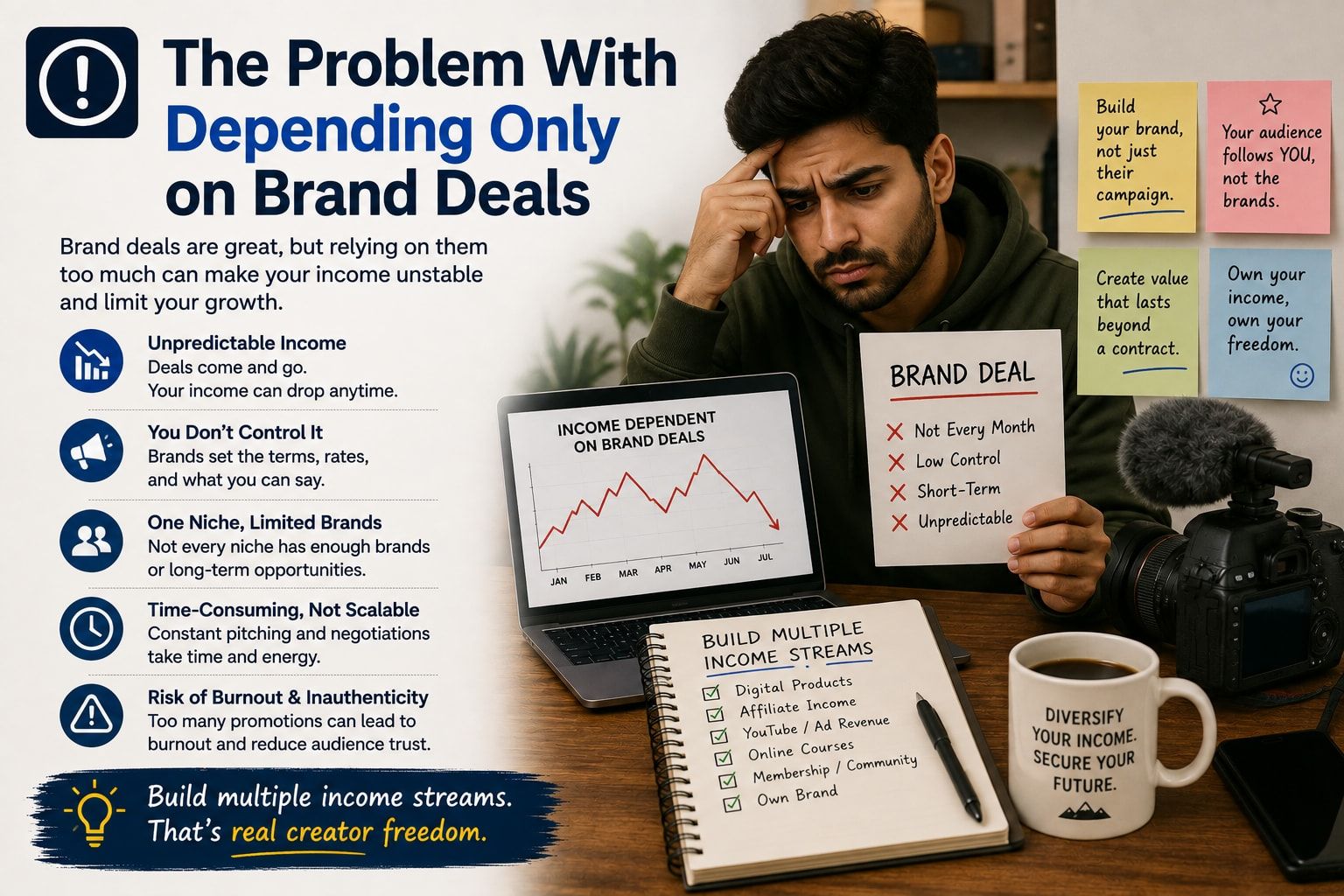
Brand deals can pay well, especially when a creator has a strong audience.
But they aren’t always predictable.
One month you might have three campaigns. The next month, nothing.
There is also a limit to how many sponsored trips or campaigns you can realistically take.
And then there is another issue.
Your best travel content can continue getting views for months or even years, but a typical brand deal usually pays you once.
Imagine you make a detailed guide about Bali.
You explain where to stay, which beach is actually worth visiting, how many days someone needs, where to eat, which areas are overrated and how you would plan the trip differently.
Thousands of people might save that content.
Some may eventually travel to Bali because of it.
But unless there is another monetisation layer attached to that content, you may earn nothing from those future travelers.
That’s where the travel advisor model becomes interesting.
Your Travel Knowledge Is the Product
Think about what people actually ask travel creators.
“Where should I stay?”
“Is this hotel worth it?”
“How many days do I need?”
“Can you plan my Bali trip?”
“What would you do if you had five days?”
“Should I visit this place or that one?”
Those questions are valuable.
People aren’t just looking for inspiration anymore. They want help making decisions.
That means a creator’s experience can become something people are willing to pay for.
Instead of only saying:
“Here are my 10 favourite places in Paris.”
You can offer:
“I’ll help you plan your three-day Paris trip based on your budget, interests and travel style.”
That is a different product.
And it doesn’t require millions of followers.
What Does a Travel Advisor Actually Mean for a Creator?
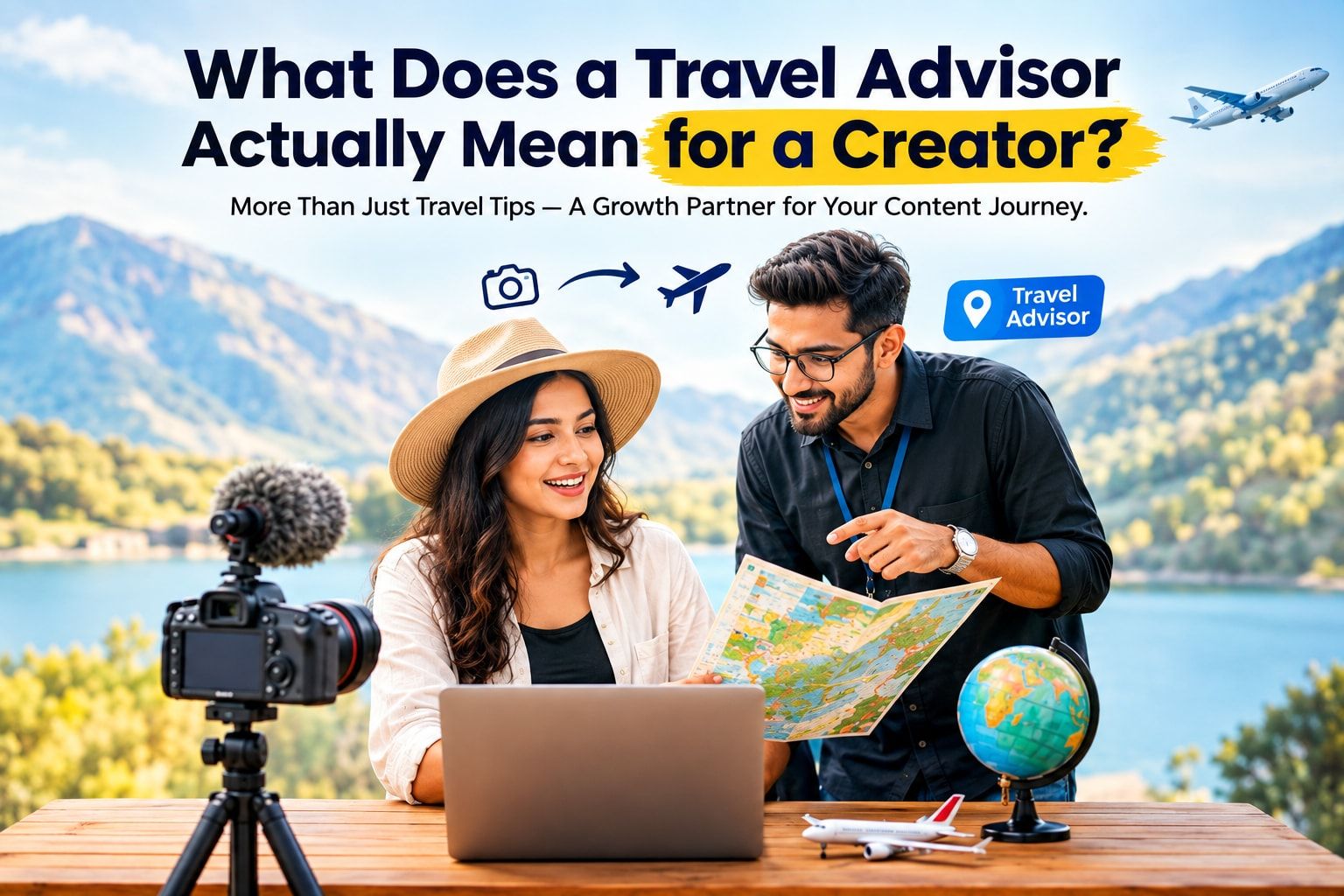
Being a travel advisor doesn’t necessarily mean becoming a traditional travel agent.
For creators, it can simply mean turning personal travel experience into useful planning services.
For example, you could offer:
- Personalised trip consultations* Custom itineraries
- Destination guides* Hotel recommendations
- Restaurant recommendations* Local experiences
- Family travel planning* Honeymoon planning
- Budget travel planning* Solo travel advice
- Destination-specific guides
Your audience already comes to you for this information.
The difference is that you’re creating a proper product around it.
Your Old Travel Content Can Become New Income
This is probably the most interesting part.
You don’t necessarily need to travel again to start.
Let’s say you travelled to Japan two years ago.
You probably have:
- Instagram reels* Photos
- Saved restaurants* Hotel recommendations
- Maps* Notes
- A day-by-day itinerary* Mistakes you made
- Places you would visit again* Places you wouldn’t recommend
That is already the foundation of a travel guide.
Instead of letting those posts disappear into your Instagram feed, you can turn that knowledge into something structured.
This is one reason creator-focused travel platforms are becoming more interesting.
Turom, for example, lets creators turn existing travel content into guides and offer paid one-on-one travel consultations. Its creator platform says creators keep ownership of their content and can monetise their travel expertise without needing to handle the actual flight or hotel bookings themselves.
The Travel Advisor Model Is More Personal

People follow travel creators because they trust their taste.
A travel website might tell someone that a hotel has 4.5 stars.
A creator might say:
“I stayed here for four nights. The location is fantastic, but don’t take the room facing the street because it gets noisy.”
That second piece of information is much more useful.
This is where creators have an advantage.
Your value isn’t just information.
It’s judgement.
You have already made some of the decisions the traveler is struggling with.
You Don’t Need a Million Followers
This is another misconception.
You might assume you need 100,000 followers before you can sell travel advice.
Not necessarily.
A creator with 8,000 highly engaged followers who specializes in Japan could potentially have a stronger travel-advisor business than someone with 200,000 followers who posts random destinations.
Why?
Because the smaller creator may have much stronger expertise and trust.
The travel creator economy is also moving towards measurable results rather than follower counts alone. Recent industry reporting points to brands increasingly looking for creators who can demonstrate that their content actually influences travel decisions and bookings.
That same principle applies to creator-to-traveler relationships.
Trust can be more valuable than reach.
There Are Several Ways to Earn

You don’t have to choose just one income stream.
A creator could build a simple income stack.
1. Paid Travel Guides
Create a detailed guide for a destination you know well.
For example:
7-Day Bali Guide for First-Time Travelers
It could include:
- Where to stay* Daily itinerary
- Restaurants* Beaches
- Activities* Transport tips
- Common mistakes* Approximate budgets
- Map locations
Sell it for a small amount.
The important thing is that it should save the buyer time.
2. One-on-One Consultations
This can be even more valuable.
Someone might have a five-day trip to Italy but have no idea how to divide the days.
They don’t necessarily need someone to book everything.
They need someone who knows Italy to say:
“Don’t do Rome, Florence, Venice and Milan in five days. Pick two.”
That kind of advice can save hours of research.
3. Custom Itineraries
This sits somewhere between a guide and a consultation.
The traveler tells you:
- Dates* Budget
- Interests* Number of travelers
- Travel style
You create a personalised plan.
For creators, this can be a strong way to monetise expertise without needing to create a new social post every day.
4. Affiliate Income
Affiliate links can become another layer.
A creator might recommend:
- Hotels* Tours
- Travel insurance* Luggage
- Travel gear* Activities
When someone books through a qualifying link, the creator may earn a commission.
Travel affiliate programs already operate at scale; for example, Expedia Group runs a Travel Creator Program that pays eligible creators based on qualifying bookings.
The key is to recommend things you actually trust.
Otherwise, the audience will notice pretty quickly.
Your Content Doesn’t Have to Feel Like an Advertisement
This is important.
If every post suddenly becomes:
“BUY MY GUIDE!”
people will get tired of it.
Instead, make the content useful first.
For example:
“Three mistakes I made on my first Bali trip.”
At the end:
“I’ve put my full Bali route, hotels and food stops into a guide if you want the exact itinerary.”
That feels much more natural.
Your free content creates interest.
Your paid product saves people time.
That’s the relationship you want.
A Reel Can Become a Product
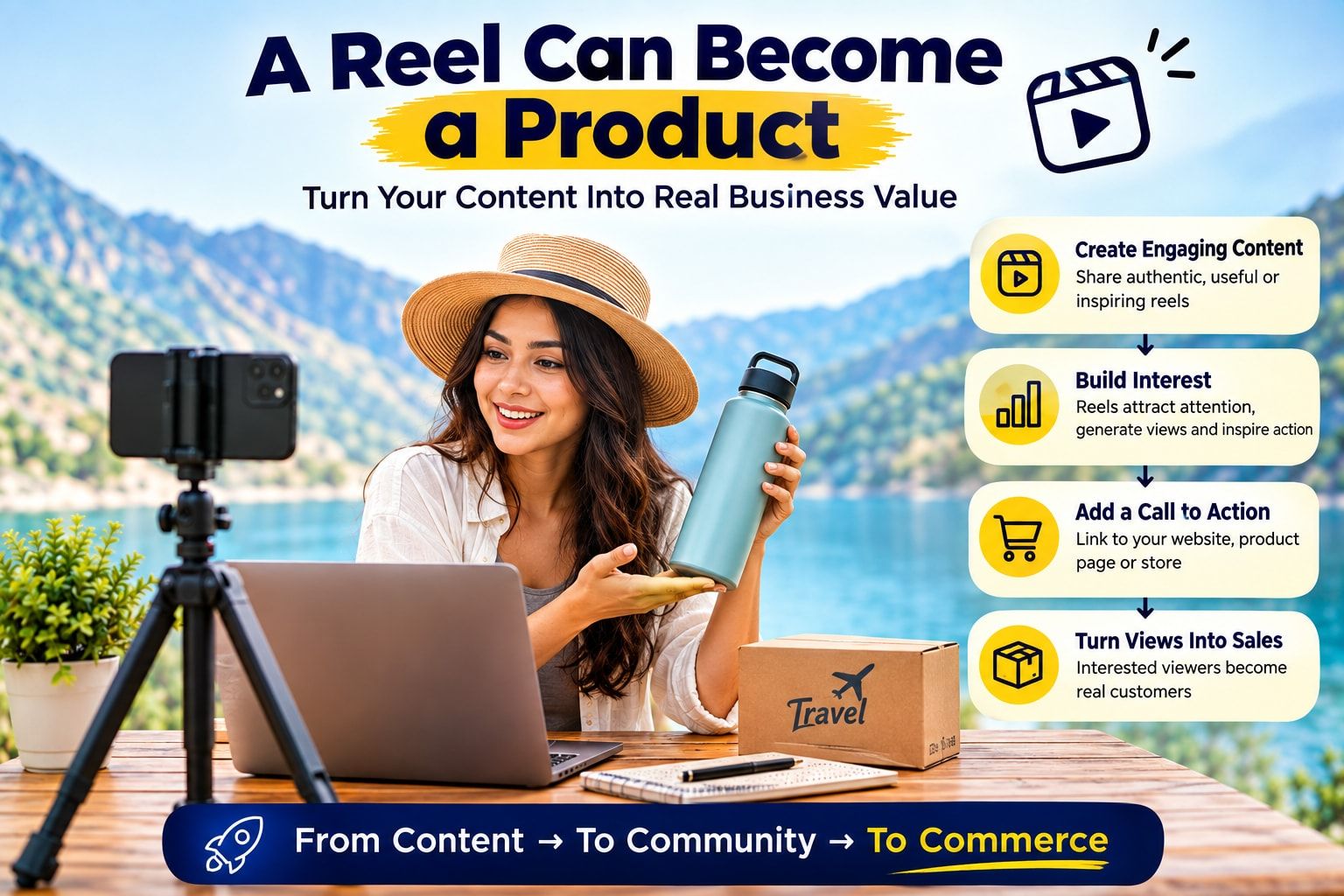
This is where AI tools can make the process easier.
Imagine you already have a reel called:
“My 5 Favourite Places in Singapore.”
Normally, that reel gets views and then disappears into your content library.
With the right tools, you can turn that information into a structured travel guide.
Turom is built around this idea. Creators can paste an Instagram Reel, have AI extract the locations and insights, review the resulting itinerary and publish it as a guide.
So the workflow becomes:
Create content → Build trust → Turn expertise into a guide → Sell the guide → Offer personal consultation
That’s much more interesting than simply waiting for the next brand email.
The New Creator Model
The old model looked something like this:
Followers → Brand Deal → Content → Payment
The newer model can look like:
Content → Trust → Travel Expertise → Guide → Consultation → Affiliate Income → Repeat Customers
And there is another benefit.
A brand deal is usually connected to the brand.
A travel-advisor business is connected to you.
That makes it more portable.
Your audience follows your recommendations, not just the hotel that sponsored your last trip.
What Should You Sell First?
Don’t create 20 products at once.
Start with one destination you know extremely well.
For example:
Bali
Create:
Bali: 7-Day First-Timer Guide
Then offer:
30-Minute Bali Trip Consultation
That’s enough to test whether people are willing to pay for your knowledge.
If it works, expand.
Maybe next you create:
- Bali with kids* Bali on a budget
- Luxury Bali* Bali honeymoon guide
- Bali food guide
Now you are building a small travel business around one area of expertise.
The Biggest Mistake Creators Can Make
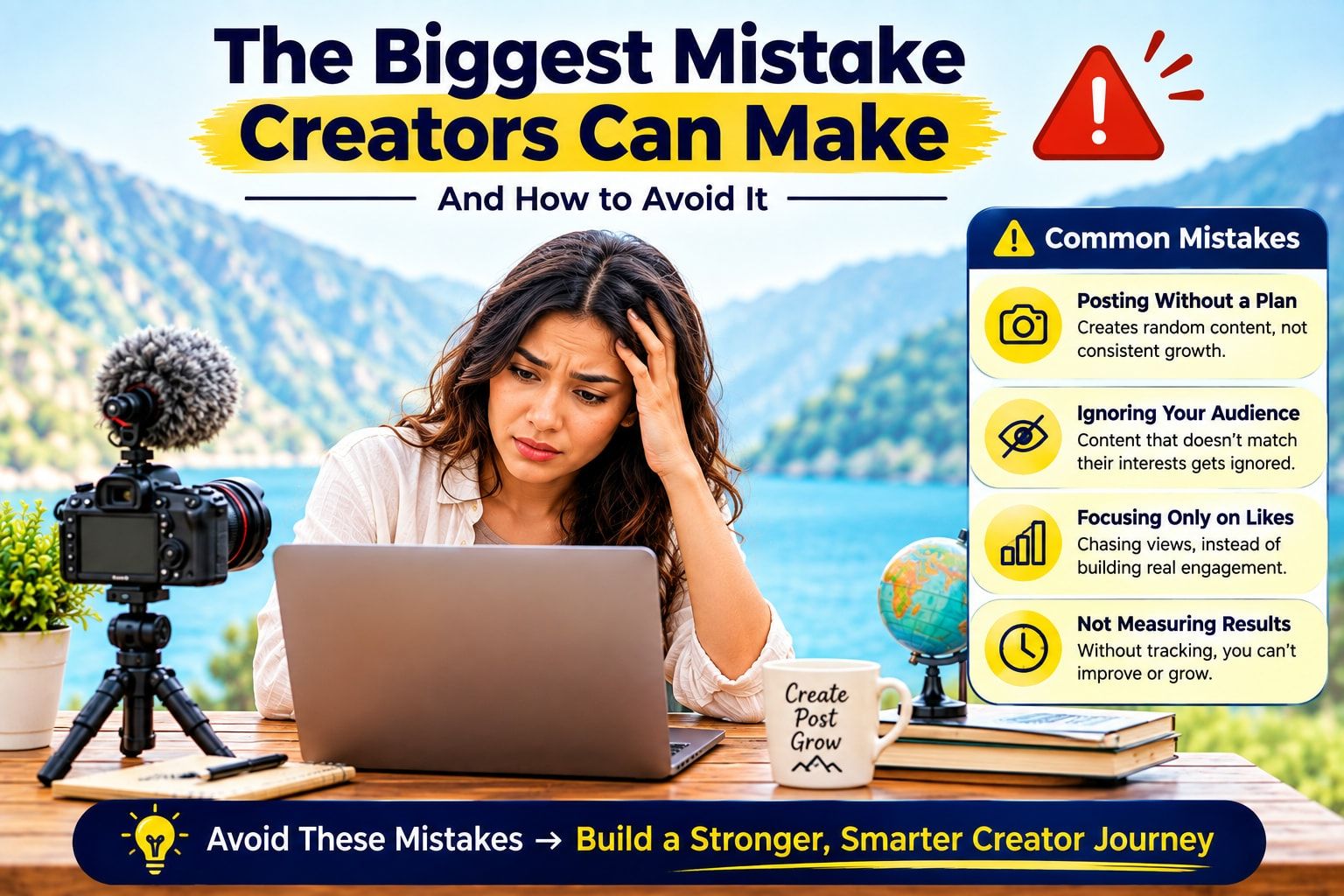
Don’t assume your followers know that you offer paid travel help.
They don’t.
You might have 50 people asking about your Bali recommendations every month, but if you never tell them that you offer consultations, they’ll continue asking questions for free.
You don’t need to be pushy.
Just make it clear.
Something as simple as:
“Planning a trip and want my help? I now offer personalised travel consultations. Link in bio.”
can be enough.
Where Turom Fits Into This Shift
This is exactly the kind of creator economy that Turom is building for.
Turom gives travel creators a place to turn their knowledge into actual travel products instead of keeping everything trapped inside social media posts. Creators can publish travel guides, offer personalised consultations and build a dedicated creator space.
The platform also allows creators to turn existing reels into structured travel guides, which means you don’t necessarily have to start from zero.
And because Turom is designed around travel planning, the content isn’t just sitting there for people to like.
It can help someone actually plan a trip.
If you’re a travel creator and your followers are constantly asking “where should I go?”, “where should I stay?” or “can you plan this for me?”, that’s probably a sign that your travel knowledge has value beyond brand deals.
You can explore Turom for creators and start turning your travel experience into guides and consultations.
Frequently Asked Questions
Do travel creators really need to become travel advisors?
No. It’s an additional way to monetise your expertise, not something you have to replace your existing content with.
How many followers do I need to sell travel guides?
There is no fixed number. A smaller audience that strongly trusts your recommendations can sometimes be more valuable than a large but less engaged audience.
Can I sell a travel guide about a trip I took years ago?
Yes. If your information is still accurate, your past trips can be valuable. Just check things like hotel policies, attraction hours, prices and transport information before publishing.
What should I charge for a travel consultation?
There isn’t one universal price. It depends on your experience, destination expertise, consultation length and how much custom work you’re providing. Start with a price that feels reasonable and adjust based on demand.
Can travel creators earn money without brand sponsorships?
Yes. Possible income sources include paid guides, consultations, affiliate commissions, digital products and creator partnerships. The right combination depends on your audience and niche.
Do I have to book flights and hotels for my followers?
Not necessarily. A creator can focus on recommendations, travel planning and personalised advice rather than handling bookings. Turom specifically describes its creator model as letting creators act as travel designers rather than administrative travel agents.
Can I turn Instagram Reels into travel guides?
Yes. Turom’s creator tools are designed to help creators turn existing Instagram Reel content into structured travel guides.
Final Thought
Travel creators have spent years giving away their best travel knowledge for free.
And that’s not necessarily a bad thing. Free content is how you build trust.
But not everything has to stay free.
If someone wants your exact itinerary, your hotel shortlist, your local recommendations or an hour of your time helping them plan a complicated trip, that’s a different level of value.